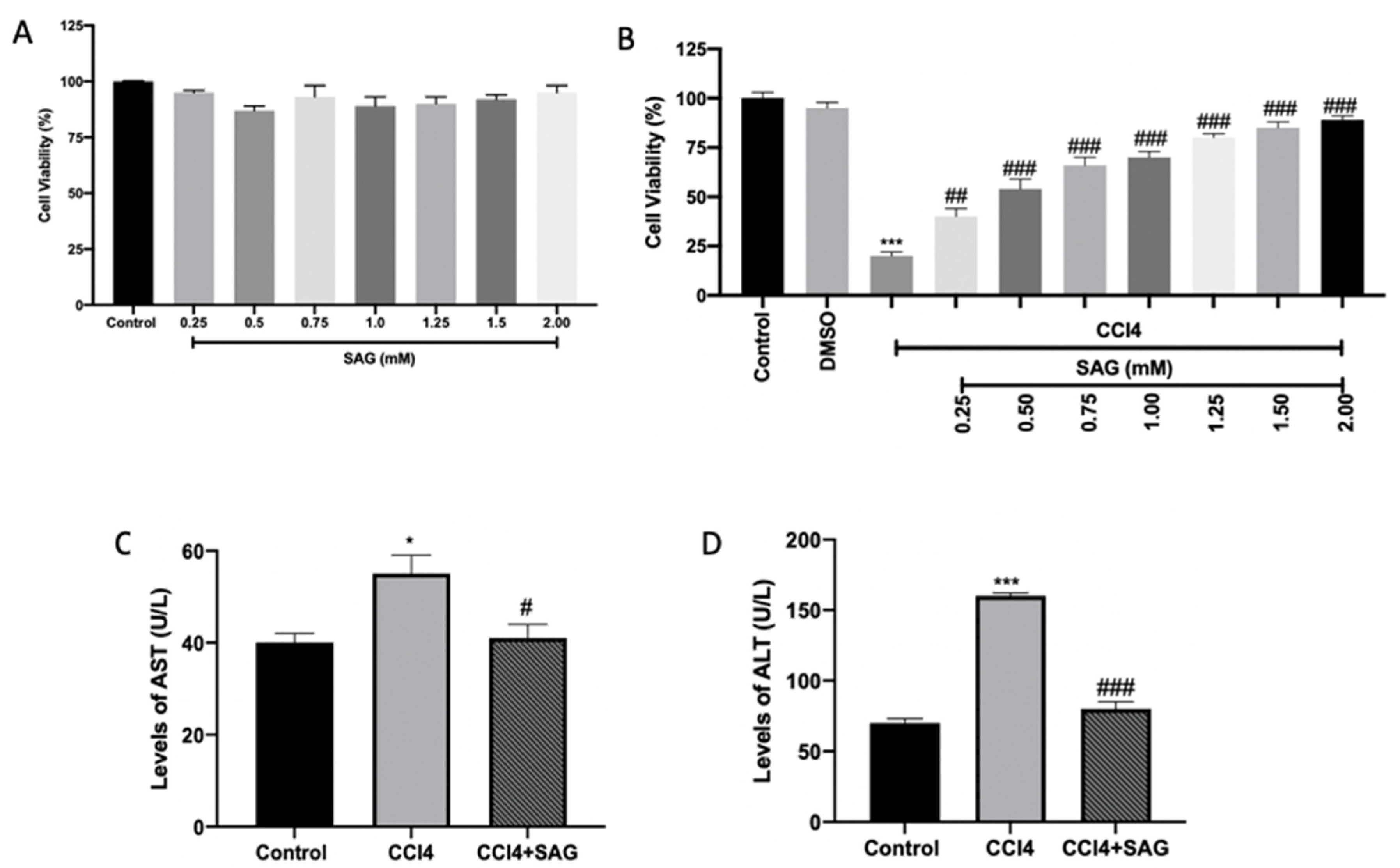
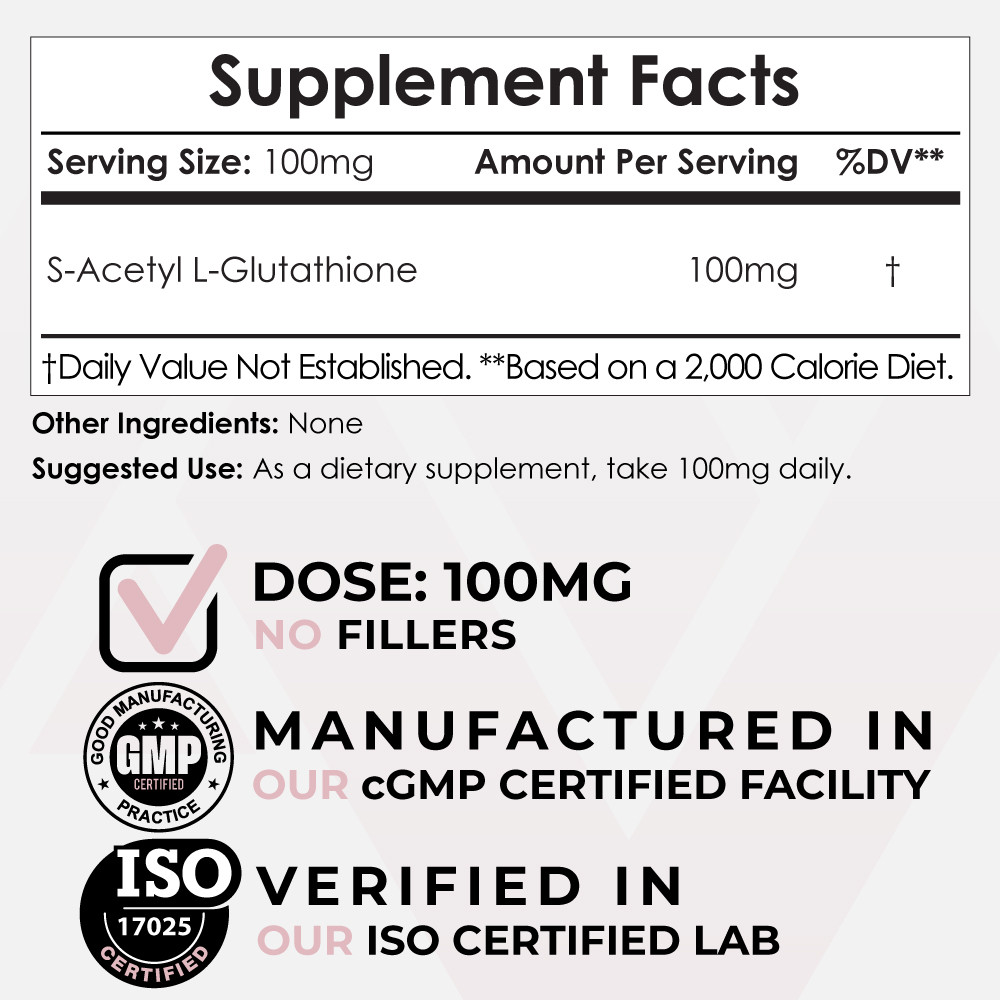
Understanding the differences between these forms can empower you to make informed decisions about your health
Water, Butylene Glycol, Glycerin, Niacinamide, Caprylyl Methicone, Pentylene Glycol, 1,2-Hexanediol, Eryngium Maritimum Callus Culture Filtrate, Cetearyl Olivate, Houttuynia Cordata Extract, Hydrogenated Polydecene, Ilex Aquifolium (Holly) Leaf Extract, Sorbitan Olivate, Dimethicone/Vinyl Dimethicone Crosspolymer, Streptococcus Thermophilus Ferment, Achillea Millefolium Oil, Ammonium Acryloyldimethyltaurate/VP Copolymer, Hydroxyacetophenone, Acrylates/C10-30 Alkyl Acrylate Crosspolymer, Carbomer, Tromethamine, Melia Azadirachta Leaf Extract, Melia Azadirachta Flower Extract, Adenosine, DNA, Lavandula Angustifolia (Lavender) Oil, Disodium EDTA, Silica, Coccinia Indica Fruit Extract, Citrus Aurantium Bergamia (Bergamot) Fruit Oil, Hydrolyzed Hibiscus Esculentus Extract, Lupinus Albus Seed Extract, Moringa Oleifera Seed Extract, Panthenol, Hedera Helix (Ivy) Extract, Amber Powder, Solanum Melongena (Eggplant) Fruit Extract, Ethylhexylglycerin, Curcuma Longa (Turmeric) Root Extract, Ocimum Sanctum Leaf Extract, Corallina Officinalis Extract, Moringa Oleifera Seed Oil, Madecassoside, Calcium Chloride, Asiatic Acid, Asiaticoside, Magnesium Sulfate, Madecassic Acid, Centella Asiatica Extract

Compare with similar compounds BPC-157 and TB-500 are the two most-studied tissue-repair peptides and are often examined together see the BPC-157 + TB-500 blend for combined-compound research convenience
Astrocyte-specific overexpressed gene signatures in response to methamphetamine exposure in vitro
Unlike oral supplements, topical formulations are designed to work directly on the skins surface, making them a preferred choice for people dealing with dullness, uneven tone, or dark areas on specific parts of the body