Table of Contents What Cagrilintide and Retatrutide Are and How They Work Approved Uses and Current Clinical Evidence in the UK How These Medicines May Affect Men Specifically Dosage, Administration, and What to Expect Side Effects, Risks, and Safety Considerations Availability on the NHS and Next Steps for Treatment Scientific References Frequently Asked Questions What Cagrilintide and Retatrutide Are and How They Work Cagrilintide is a long-acting amylin analogue that promotes satiety and slows gastric emptying, while retatrutide is a triple agonist targeting GLP-1, GIP, and glucagon receptors to reduce appetite, enhance insulin secretion, and increase energy expenditure
covalent bonds 1 , 2 and 3 are selected from the group consisting of peptide bonds and reduced peptide bonds
The most promising future model may combine simple, scalable biomarkers such as ApoB and Lp(a) with selective use of imaging, genetics, and advanced lipidomics in patients whose risk remains uncertain
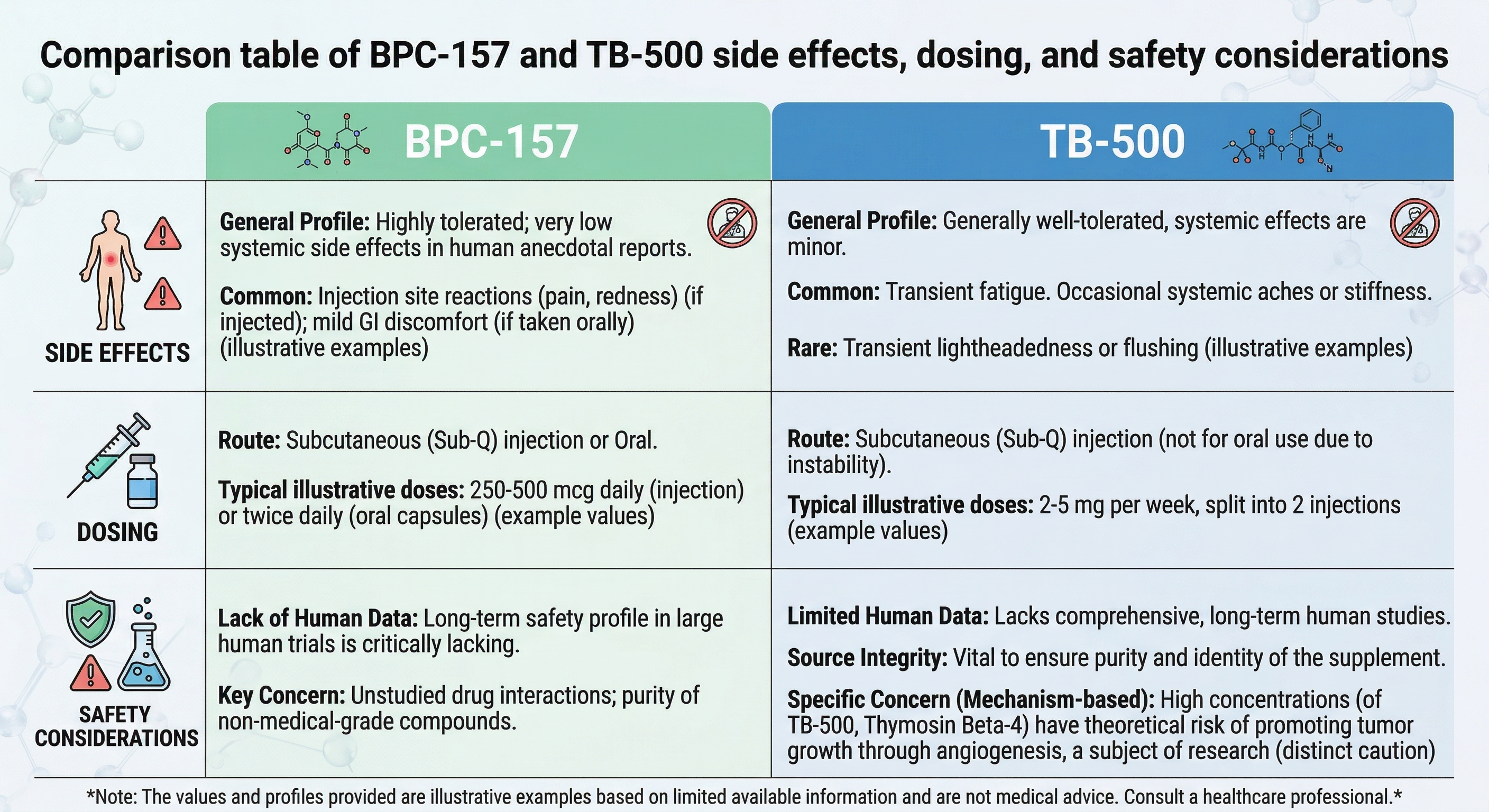
Common contraindications cited in the research-use community include: anyone with active or recent cancer (BPC-157 and TB-500 promote angiogenesis), people with Wilson's disease or other copper-metabolism disorders (GHK-Cu component), anyone pregnant or breastfeeding (no safety data), and athletes subject to WADA testing (BPC-157 and TB-500 are prohibited)
By reducing appetite and stabilizing blood sugar levels, it allows you to stick to low-calorie diets more easily and encourages your body to burn stored fat for fuel