I will strive to counsel those deficient in character or competence and expose those who engage in fraud or deception
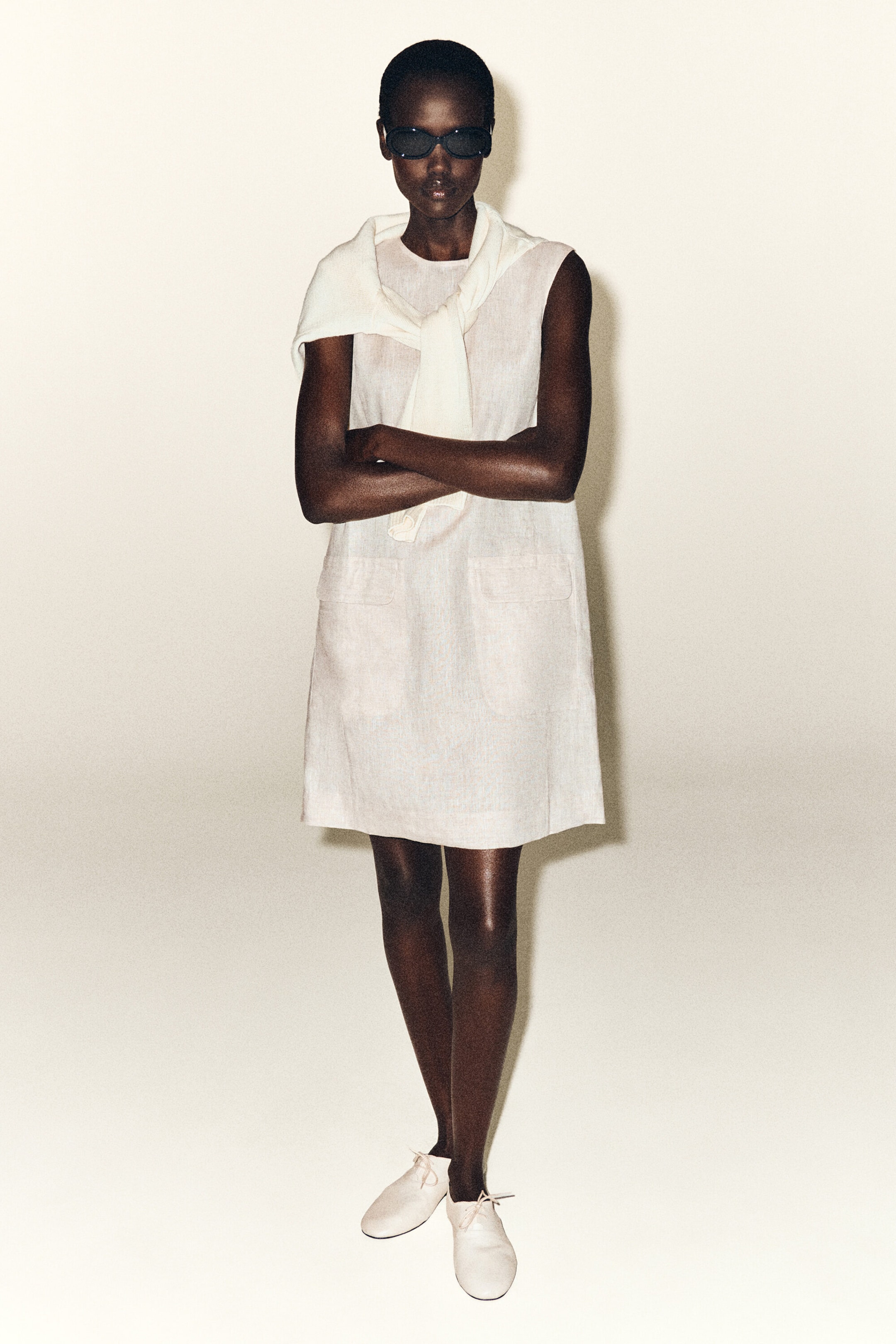
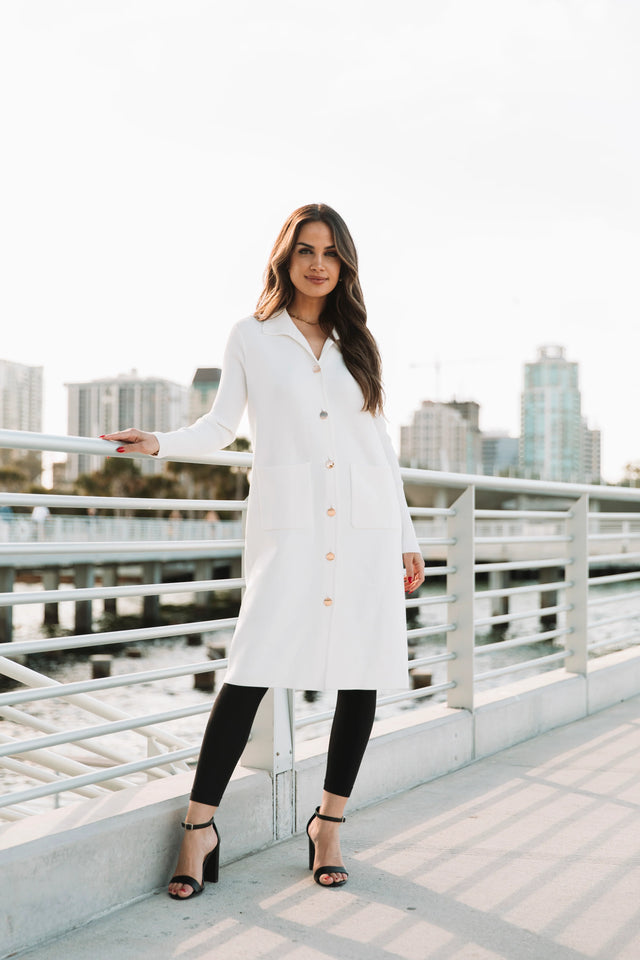
Formal Evening Attire: Black tie optional tuxes and gowns welcome, dark suits and dressy dresses encouraged
Slowly integrate it into your wardrobe and gradually shift more towards that style if you enjoy it and feel like it works for you
Solid Shell Stitch - Multiples of 6 + 1 (add 1 for base chain) To make this sample square, make a foundation chain of 38 (36 is a multiple of 6, plus 1 is 37, and the additional chain adds up to 38) Abbreviations (US terminology) ch - chain st(s) - stitch(es) sc - single crochet dc - double crochet sk - skip rep - repeat tch - turning chain Solid Shell Stitch Instructions Row 1: sc into 2nd from hook, *sk 2 ch, make 5 dc in next ch, sk 2 ch, sc in next ch, rep from * to end, turn Row 2: ch 3 (counts as 1dc), 2 dc in first st, *sk 2 dc, sc in next dc, sk 2 dc, 5 dc in next sc, rep from * ending last rep with 3 dc in last sc, turn Row 3: ch 1, sc in first st, *sk 2 dc, 5 dc in next sc, sk 2 dc, sc in next dc, rep from * ending last rep with sc into top of tch, turn Repeat rows 2-3 until you reach your desired length

[1] The seven main traditional regions are: Transylvania or Ardeal The western plains: Lower Mure Plain, Cri Plain (Criul Negru, Criul Alb, Criul Repede), Lower Some Plain (Oa Country) Banat, including Timi Meadow and Cara-Severin Wallachia, including Western Wallachia called Oltenia and Eastern Wallachia called Muntenia The Lower Danube, including Brgan, Northern Dobruja and southern Moldavia Moldavia, including Bukovina, Western Moldavia, Eastern Moldavia also called Bessarabia and since 1991 Republic of Moldova including Transnistria Balkans or Romanians of the Balkan Peninsula, which can be further subdivided into four areas: The Daco-Romanians along the borders: Southern Dobruja also called Cadrilater between 1913 and 1940 (Bulgaria), the Timok Valley (northwestern Bulgaria and eastern Serbia), Vojvodina/Serbian Banat and Ukraine (especially around Chernivtsi and Odessa) Istro-Romanians in Istria, Croatia Macedo-Romanians (or Aromanians) in Albania, Bulgaria, Greece and North Macedonia Megleno-Romanians in Greece and North Macedonia Transylvania Oa Country Maramure Criana Banat Wallachia (Oltenia) Wallachia (Muntenia) Western Moldavia Eastern Moldavia (Bessarabia) Bukovina Genesis and evolution of Romanian traditional costume [edit] First mentions of Romanian clothing [edit] The Romanian popular costume finds its roots in the part of Thracian, Dacian and Getae ancestors and resembles that of the peoples of the Balkan Peninsula, of course with differences consisting of decorative and colourful details