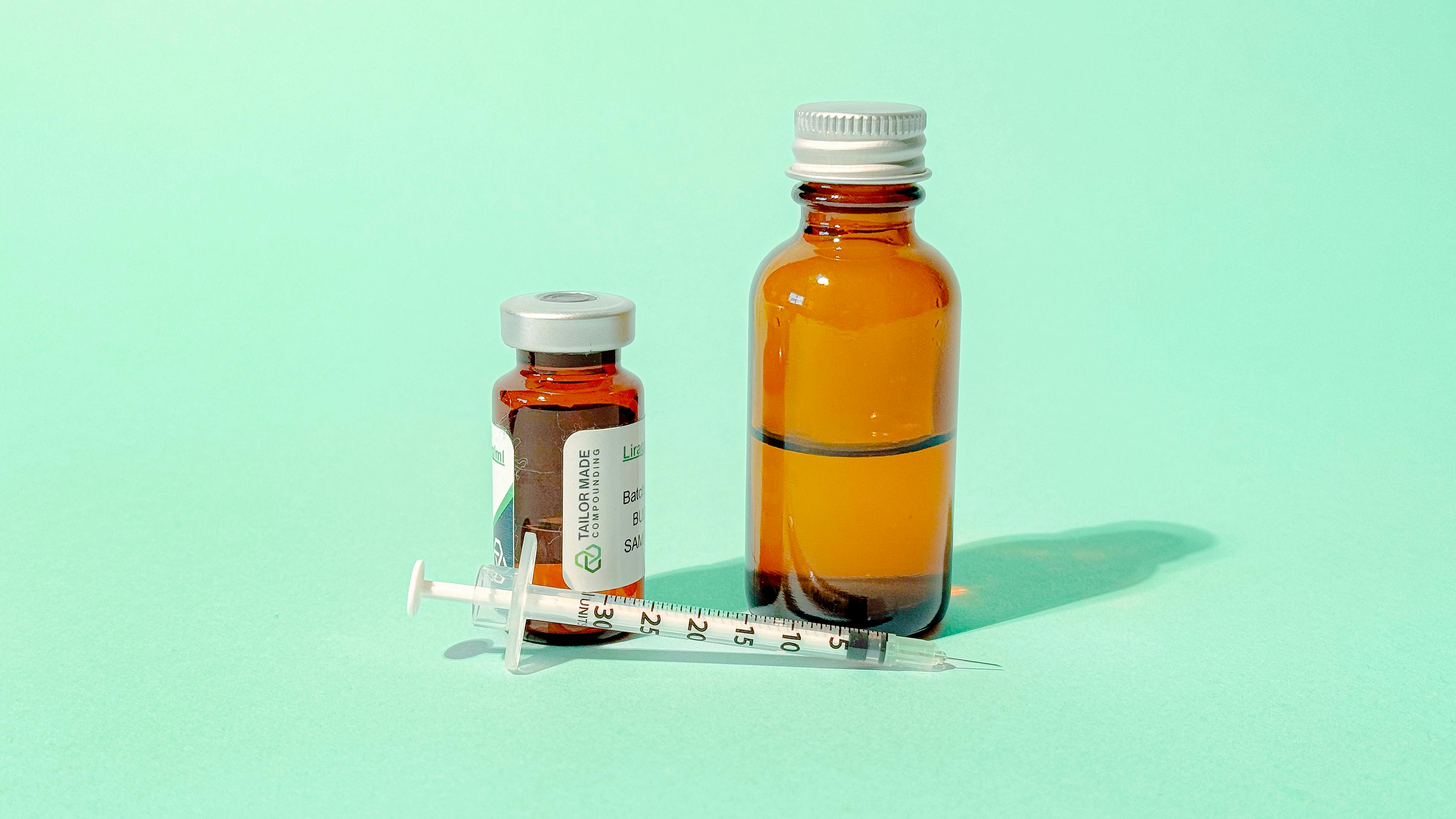
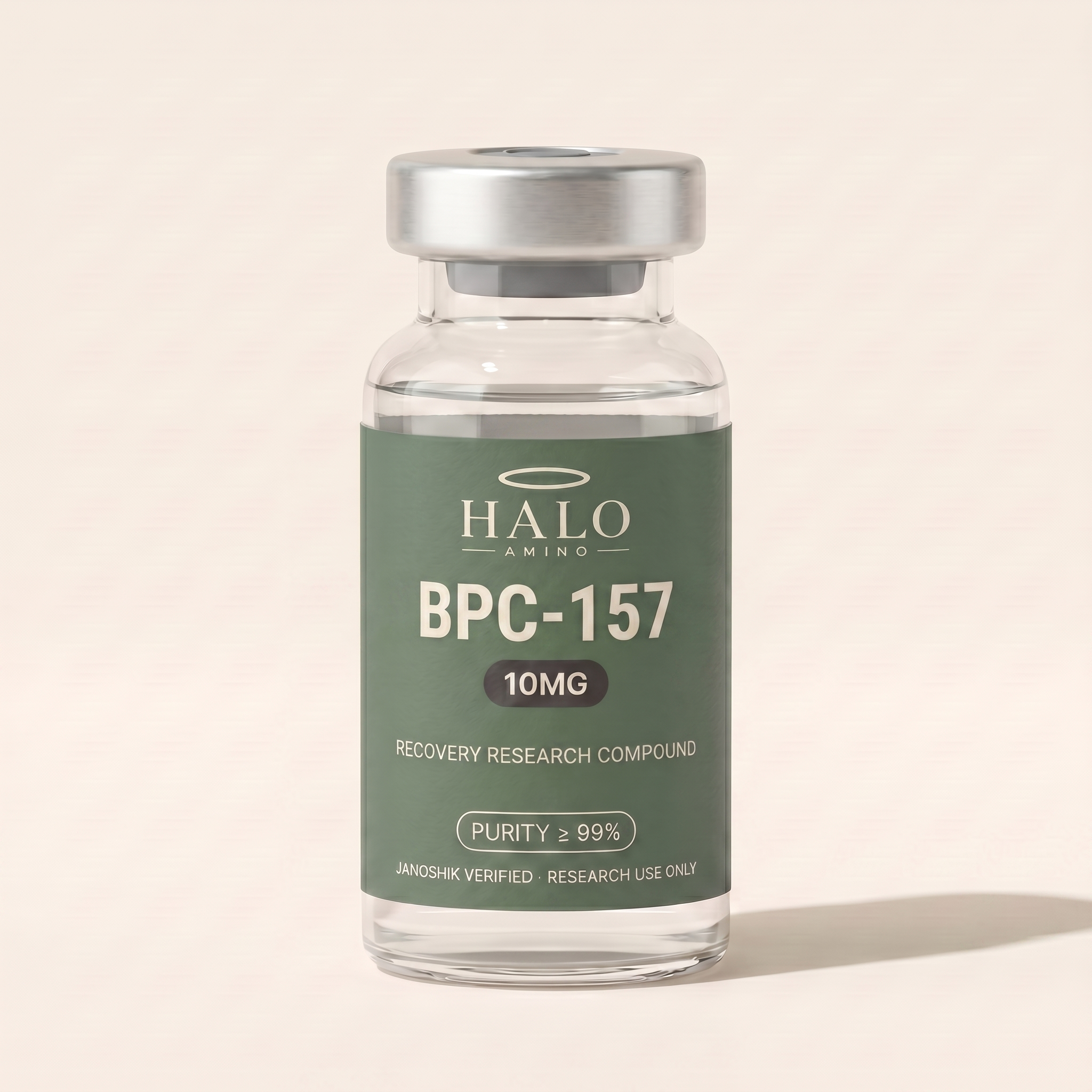
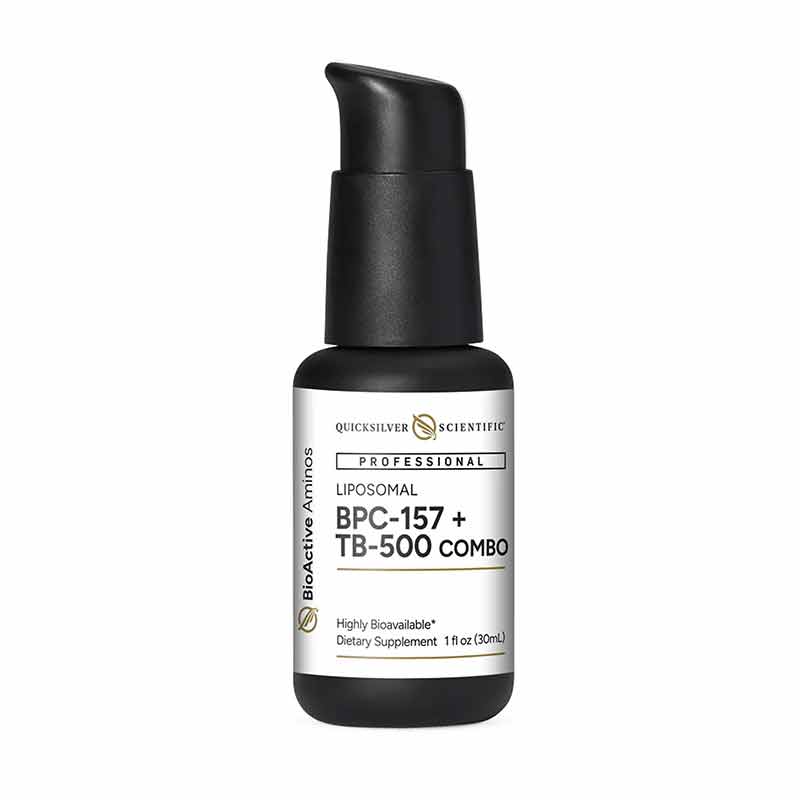
The combination of BPC-157 and GHK-Cu appears to have synergistic effects, leading to more efficient and effective tissue repair
It takes approximately 45 min to 1 hour to complete, and trained fieldworkers will conduct this assessment
Proteins are essential for a diverse array of bodily functions, including but not limited to immune function, muscle contraction, metabolism, physical growth, physical structure, blood oxygenation, and sexual arousal.1 The human body needs an adequate supply of 20 amino acids to function properly,2 but those 20 amino acids can combine in thousands of unique sequences to form different peptides with distinct biological functions

The basic formula Concentration (mg/mL) = Total peptide (mg) Water volume (mL) For a 70mg vial with 3mL water: 70 3 = 23.33 mg/mL Volume to draw (mL) = Desired dose (mg) Concentration (mg/mL) For 2.33mg dose at 23.33 mg/mL: 2.33 23.33 = 0.10mL = 10 units on an insulin syringe Common vial sizes and calculations 42mg vial with 1.8mL water: Concentration: 23.33 mg/mL Standard dose (2.33mg): 10 units Conservative dose (1.165mg): 5 units Vial provides approximately 18 doses at standard protocol 70mg vial with 3mL water: Concentration: 23.33 mg/mL Standard dose (2.33mg): 10 units Conservative dose (1.165mg): 5 units Vial provides approximately 30 doses at standard protocol 70mg vial with 2mL water (higher concentration): Concentration: 35 mg/mL Standard dose (2.33mg): 6.7 units (round to 7) Conservative dose (1.165mg): 3.3 units (round to 3) Smaller volumes make precise measurement more difficult The SeekPeptides peptide calculator automates these calculations for any vial size and desired dose
Into, T., Inomata, M., Shibata, K., and Murakami, Y., Cell