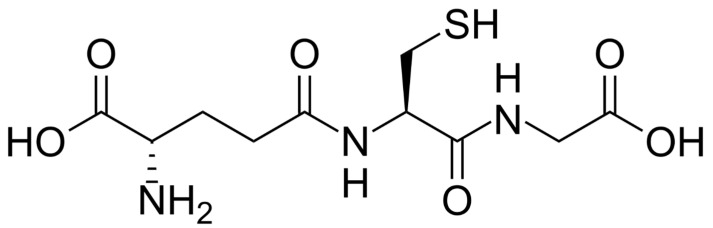
with direct glucuronidation (~55%) and sulfation (~40%) (Mitchell et al., N -acetyl p -benzoquinone imine (NAPQI), a highly reactive electrophile, which is known to covalently bind to nucleophilic centers, including cysteine thiols in liver proteins (see Figure 1) (Jollow et al., S -transferase (GST) isozymes (Figure 1) (Mitchell et al., Figure 1 GSTs represent major detoxification enzymes with a protein size of ~25 kDa (Eaton and Bammler, in vivo (LeBlanc et al., Several NAPQI-protein adducts have been identified previously in mouse, rat, and human (Wendel and Cikryt, In vitro binding studies have also shown NAPQI-GST adducts, using 14 C-APAP metabolism in mouse liver homogenates (Wendel and Cikryt, in vitro
Liposomal Glutathione, sublingual forms, and precursors like N-acetylcysteine (NAC) have shown promising results in clinical studies
10.1681/asn.2017060694 39 MengX
Directions: DO NOT TAKE ALONE
While both are popular in the world of skincare, they perform entirely different biological functions: Glutathione is known as the master antioxidant.