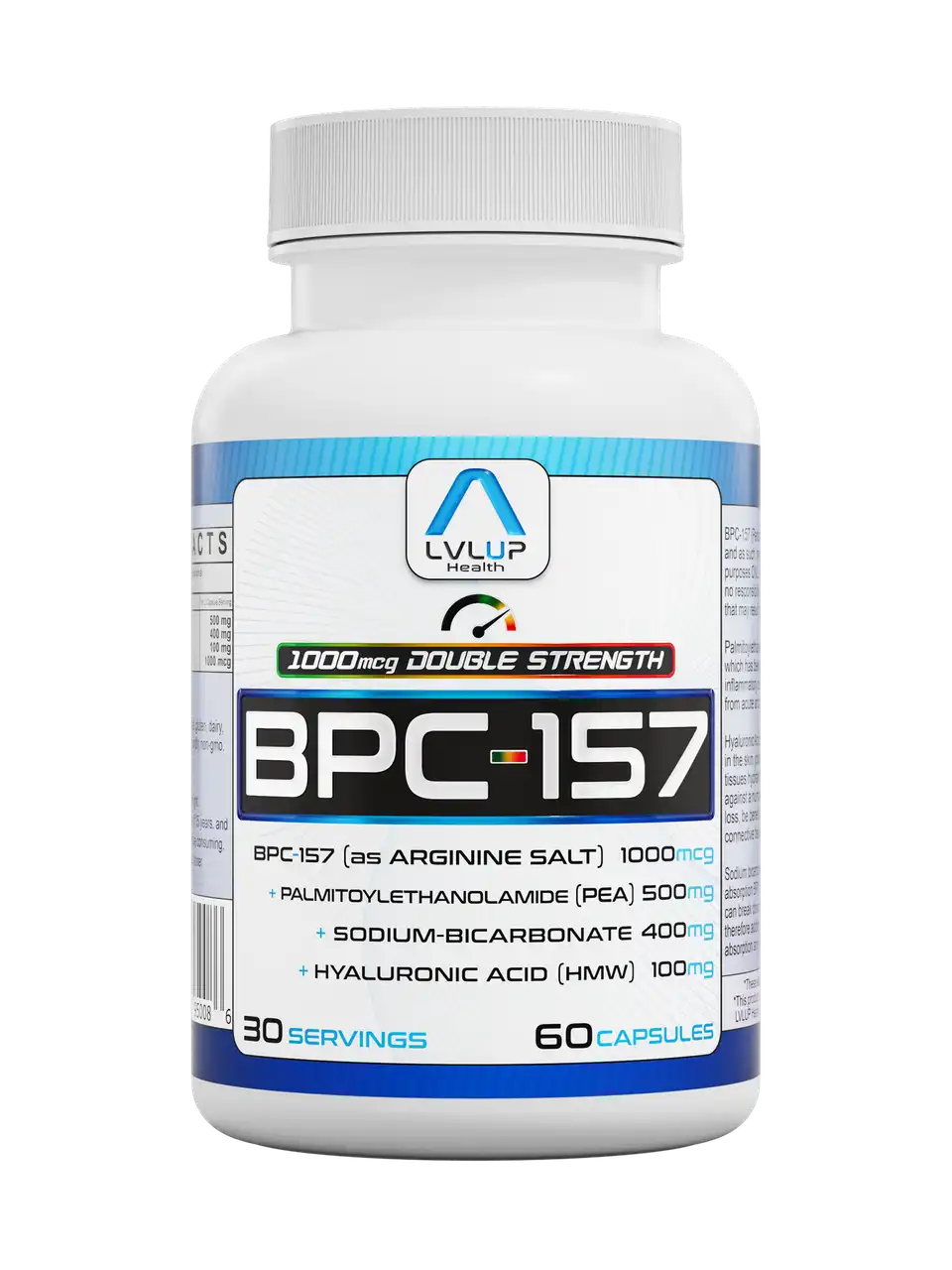
The information below reflects USP standards, manufacturer prescribing information, published pharmaceutical literature, and self-reported community sources
A 2024 review published in the Yale Journal of Biology and Medicine (Cushman CJ et al.) provided an updated synthesis examining BPC-157's potential applications across gut, musculoskeletal, and neurological systems
Why Injectable Works Better for Localized Injuries Subcutaneous injection near the injured shoulder delivers high peptide concentrations directly to tissues that need healing
They use nerves, hormones, and immune signals to keep you steady
Heres what you need to know: Target Tissue: Works specifically on adipose tissue without systemic growth hormone effects or muscle tissue impact Mechanism: Activates beta-3 adrenergic receptors on fat cell membranes, triggering intracellular fat-burning cascades Primary Action: Stimulates hormone-sensitive lipase to break down stored triglycerides into free fatty acids for energy utilization Secondary Action: Inhibits lipogenic enzymes that convert excess calories into stored fat Regional Selectivity: Particularly effective on visceral (deep abdominal) and subcutaneous fat deposits with high beta-3 receptor concentration Preservation Effect: Targets fat tissue selectively without promoting muscle protein breakdown or affecting lean tissue Unique Advantage: Does not bind to growth hormone receptors, avoiding effects on IGF-1, glucose metabolism, or insulin sensitivity Research Validation: Clinical trials with 900+ participants confirmed selective fat metabolism effects with excellent safety profile The following guide provides detailed analysis of how AOD-9604 targets fat cells, from receptor binding to metabolic outcomes