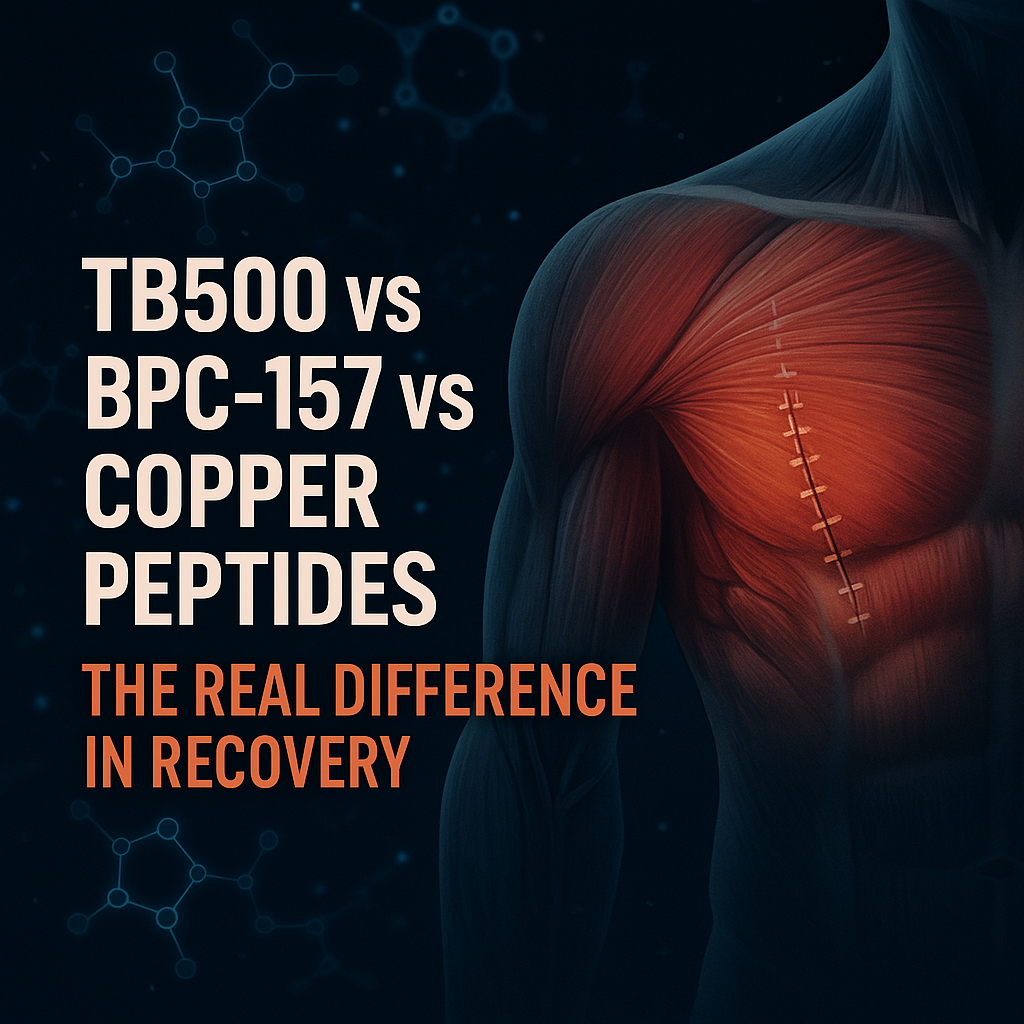
Research Applications Tissue Repair & Regeneration BPC-157 is studied for repair mechanisms across tissues: Wound healing models multi-tissue repair Angiogenesis vessel formation signaling Collagen & ECM synthesis and remodeling Anti-Inflammatory Research KPV is studied for inflammatory modulation: NF-B signaling regulation of inflammatory mediators Cytokine modulation immune-response research Mucosal models intestinal inflammation Gastrointestinal Research Both peptides studied in GI models: Mucosal repair epithelial healing Barrier integrity permeability research Inflammatory bowel experimental models Immune & Melanocortin Pathways KPV as a non-pigmenting -MSH fragment: Melanocortin signaling receptor pathway research Immune regulation cellular response models Storage & Handling Guidelines Capsule Storage Store in a cool, dry place at room temperature (1525C) Keep in the original sealed container , away from light and moisture Retain any desiccant packet included in the bottle Keep the container tightly closed between uses Handling Guidelines No reconstitution, solvents, or mixing required Handle capsules with clean, dry hands Do not open, crush, or split the capsules Keep away from heat and out of reach of children Shelf Life & Stability Stable at room temperature when stored as directed Avoid excessive heat, humidity, and direct sunlight Reseal the container promptly after each use Use before the labeled expiration date This peptide blend should be stored as directed at room temperature, kept sealed and protected from heat, humidity and light

What Are the Symptoms of Low T
English, Russian
Gut health/digestion Some women struggle with acid reflux, bloating, or digestive discomfort, its suggested that this peptide has properties that can potentially help with gut function
I've heard tips about rotating injection sites (like the abdomen, thigh, or upper arm) to prevent irritation and ensure consistent absorption