Anticancer mechanisms of temporin-1CEa, an amphipathic -helical antimicrobial peptide, in Bcap-37 human breast cancer cells
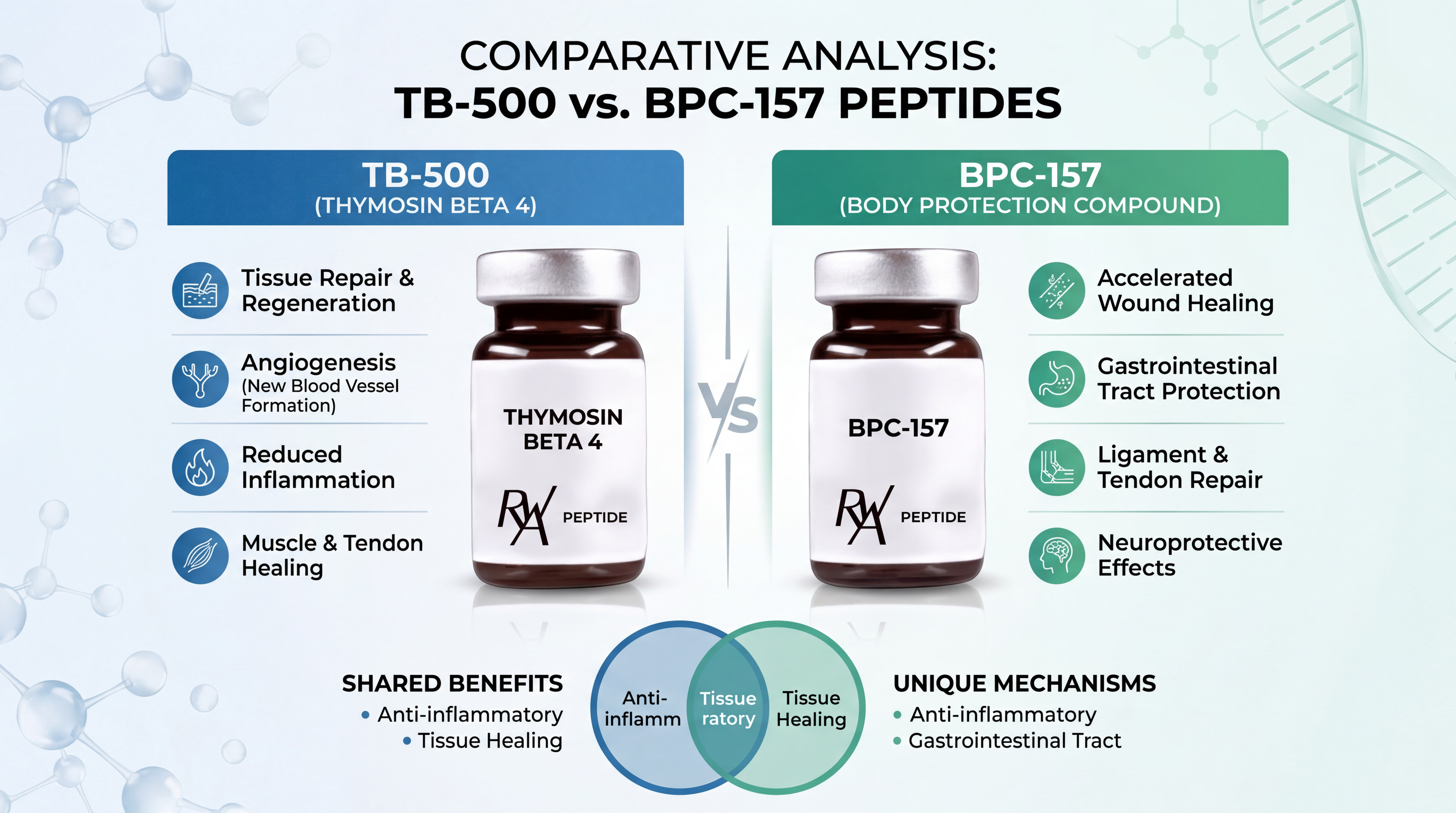
The synergistic action of these peptides allows for broader insight into biological repair pathways and cellular communication
Standard protocols range from 0.25mg to 0.5mg daily via subcutaneous injection for 4 to 8 weeks
PubMed evidence trail Research sources used to frame this page For BPC-157 vs MOTS-c: Which Is Better?, FormBlends checks the page topic against primary trials, systematic reviews, guidelines, and current PubMed-indexed literature where available
GHK-Cu Regenerative & Collagen-Related Signaling GHK-Cu is a naturally occurring copper tripeptide commonly researched for its interaction with: Collagen-related signaling pathways Skin-integrity and dermal-maintenance mechanisms Cellular-repair and regenerative pathways Antioxidant-support and oxidative-stress regulation Physiological-resilience and healthy-aging research Research involving GHK-Cu commonly investigates its potential interaction with fibroblast-related activity, dermal-support signaling, tissue-maintenance pathways, and skin-quality research models