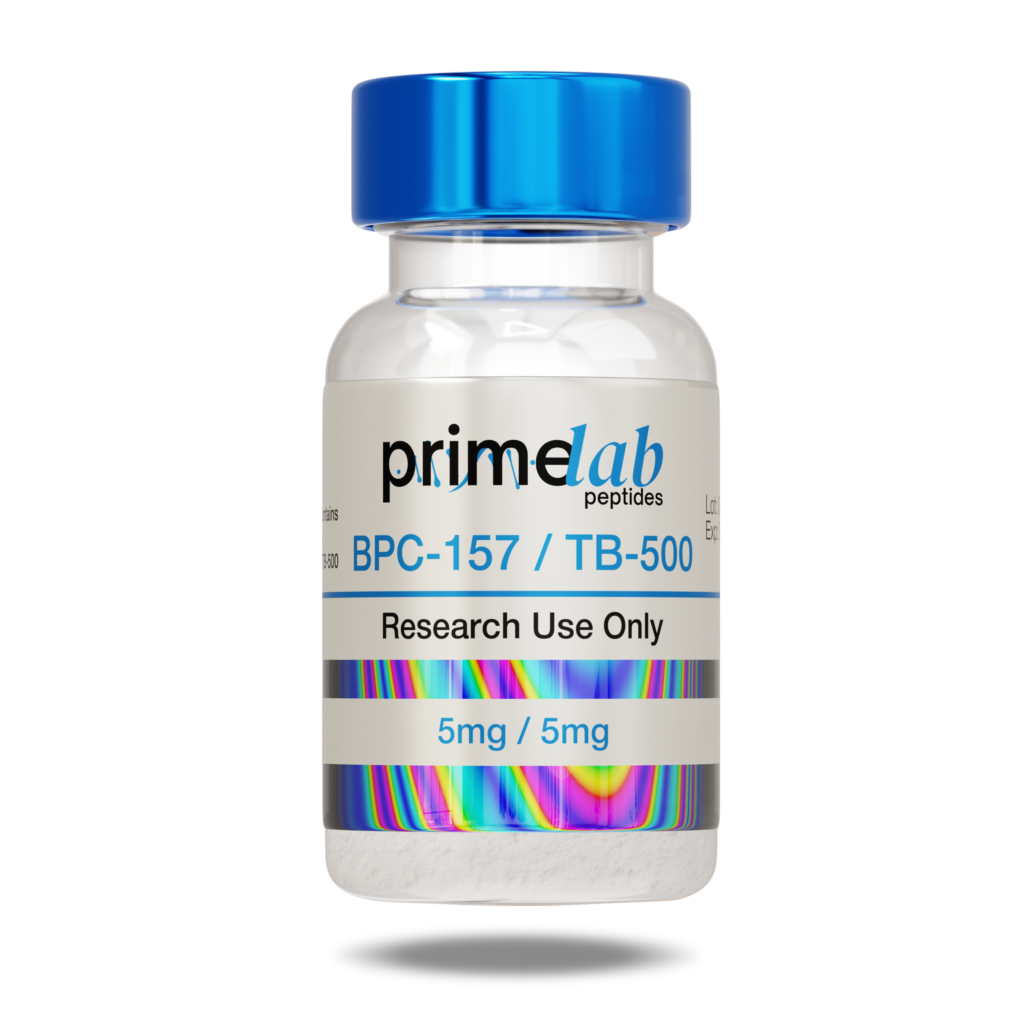
The proposed mechanisms of accelerated tissue repair and reduced inflammation could theoretically improve recovery times and functional outcomes
Within research settings, BPC-157 is widely studied in relation to: Recovery of muscles, tendons and ligaments Supporting wound healing and skin repair Protection and restoration of the digestive tract Regulation of inflammatory processes Joint and connective tissue support Recovery from physical strain or injury Because of this broad research focus, BPC-157 has become one of the most researched peptides within the field of regenerative science
Combining both peptides Some formulations include both AHK-Cu and GHK-Cu, attempting to capture benefits from each
Rare adverse effects specific to cyanocobalamin may include mild transient diarrhea, particularly with initial doses, and very rarely, allergic reactions in sensitive individuals
Speeds up epithelialization and angiogenesis, both critical for wound closure and tissue remodeling