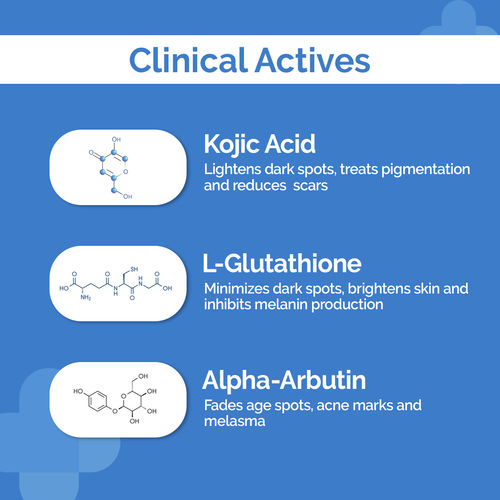
L-Glutathione is studied as a central antioxidant tripeptide involved in redox balance, oxidative stress response, detoxification-associated biochemical pathways, mitochondrial resilience, and cellular defense systems
When administered, the peptide preferentially accumulates in adipose tissue, where it interacts with beta-3 adrenergic receptors on fat cell membranes and initiates metabolic signaling cascades
Pain 161:405415 Dolan ME, El Charif O, Wheeler HE et al (2016) Clinical and genome-wide analysis of cisplatin-induced peripheral neuropathy in survivors of adult-onset cancer
Clinical Benefits: Central role in hepatic detoxification and elimination of harmful compounds Neutralises free radicals and reduces oxidative stress at a cellular level Supports and modulates immune system function Regenerates Vitamins C and E, amplifying antioxidant activity May support mitochondrial function and energy production Associated with reduced inflammation and improved cellular health Glutathione is particularly relevant for patients with chronic illness, high toxic burden, or those undergoing treatments that increase oxidative stress
We currently lack research on whether SFN protects the developing fetal brain, which is particularly susceptible to external insults