Astaxanthin is a powerful antioxidant with skin, cardiovascular, and neurocognitive health benefits
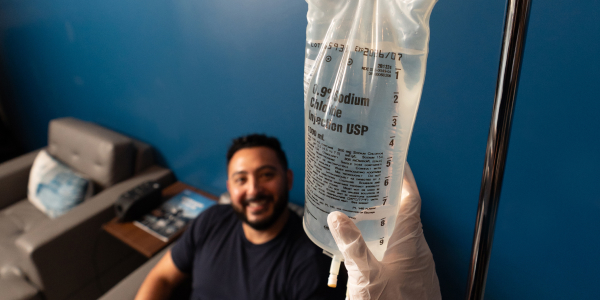
Factors that may suggest an immune-mediated component and potential benefit from IVIG include: Clinical Features Rapid onset or progression of symptoms Non-length-dependent pattern (symptoms not limited to feet/hands) Associated autonomic symptoms Lack of other evident causes (diabetes, toxins, etc.) Family history of autoimmune disease Laboratory Findings Presence of autoantibodies (even non-specific ones) Elevated inflammatory markers Evidence of complement activation Abnormal immunoglobulin levels or patterns Diagnostic Test Results Skin biopsy showing inflammatory infiltrates along with reduced fiber density Abnormal autonomic testing consistent with SFN Normal or minimally abnormal nerve conduction studies (ruling out large fiber involvement) Response to Initial Therapies Inadequate response to standard neuropathic pain medications Partial response to corticosteroids or other immunosuppressants Temporal association with infections, vaccines, or immune stressors The IVIG Treatment Protocol For patients with refractory SFN who are deemed appropriate candidates, IVIG therapy typically follows a structured protocol: Dosing and Administration Initial treatment: 2 g/kg divided over 2-5 consecutive days Maintenance: 1 g/kg every 3-4 weeks Treatment duration: Initially 3-6 months with periodic reassessment The optimal duration of therapy remains somewhat individualized
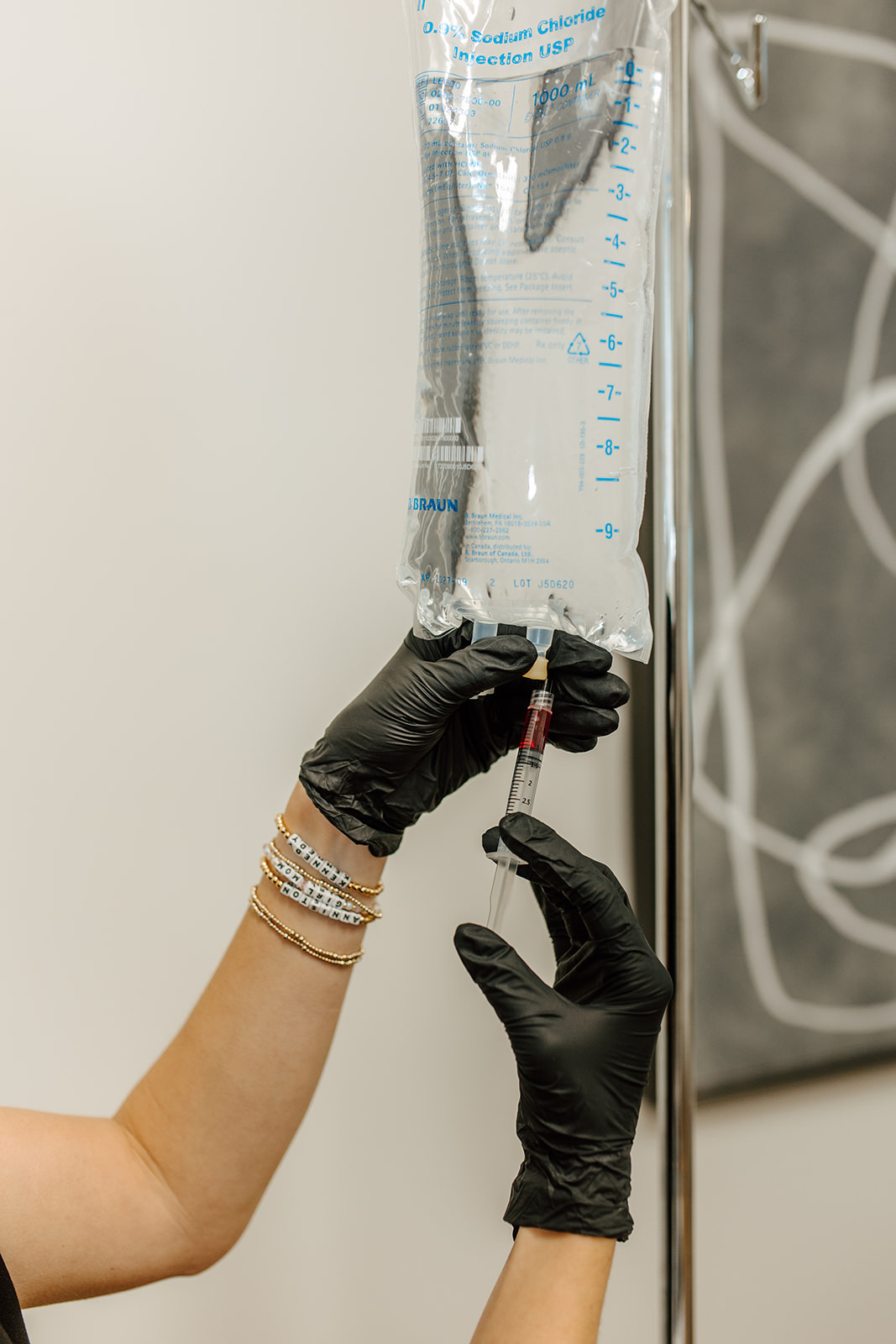
Once absorbed, B12 is instrumental in several processes directly related to energy and vitality: Red Blood Cell Formation: B12 is crucial for making healthy red blood cells
488,489,490 In the pancreas, this stimulates the secretion of insulin and inhibits the secretion of glucagon
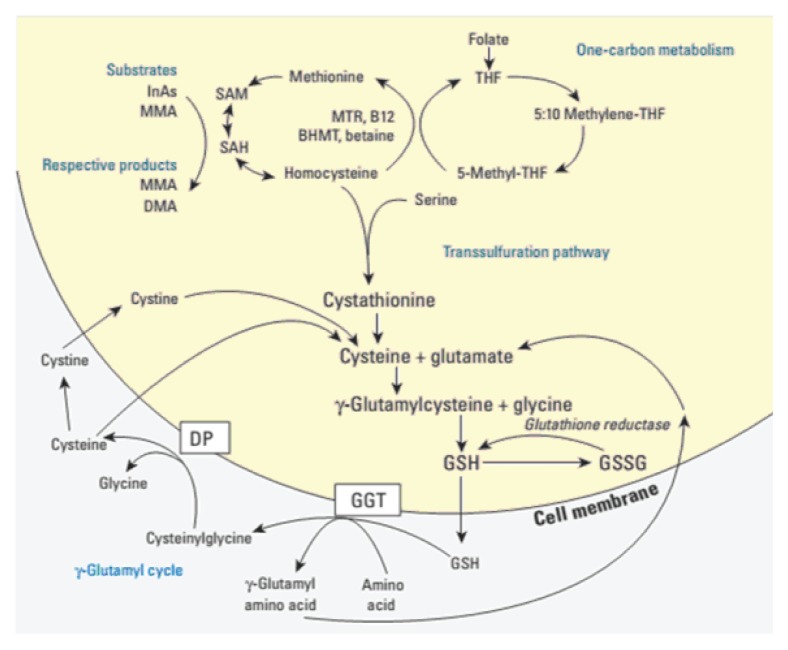
This means that even when we drink adequate amounts of water, glutathione helps ensure that this water can actually reach and hydrate our skin cells effectively
:max_bytes(150000):strip_icc()/benefits-of-glutathione-89457_final-01-502464fe91b2444285b0cccf8cb0a33c.png)