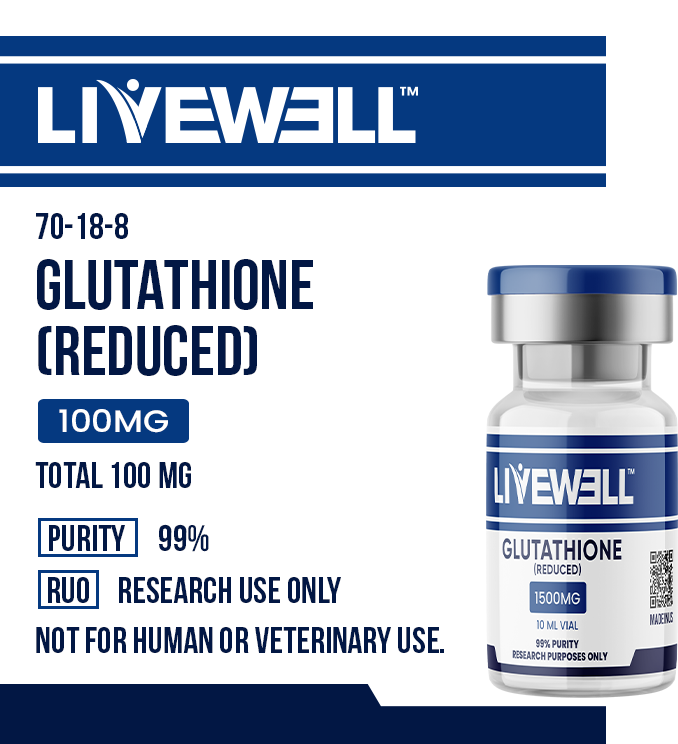
Sources of Reduced Glutathione Sulfur-rich foods such as garlic, onions, broccoli, Brussels sprouts, and kale help boost natural glutathione production
The field shows growing interest in novel delivery systems, including liposomal formulations, sublingual preparations, and buccal absorption methods, attempting to overcome the documented challenges of glutathiones poor gastrointestinal bioavailability
DISCLAIMER: This article is intended for licensed medical professionals

Where MS Treatment Stood in the 90s23:59 - Why Early and Presymptomatic Detection Matters25:21 - Will Anti-Amyloid Drugs Be Pushed to Presymptomatic Patients?25:39 - What We Know for a Fact About Lifestyle and Disease Progression26:27 - A Real Patient Case: When to Say No to Anti-Amyloid Drugs28:30 - APOE Explained: The Gene That Changes Your Alzheimer's Risk31:49 - 3X4 Genetics: Your DNA Isn't a Verdict33:47 - How Exercise Can Offset APOE4 Risk34:10 - APOE4 Is Not Deterministic and Saying Otherwise Is Malpractice34:51 - Down Syndrome, Presenilin, and the Truly Deterministic Cases35:42 - ARIA Risk and Why Europe Restricts Anti-Amyloid Drugs for APOE4 Carriers38:00 - Where Anti-Amyloid Drugs Still Fit in Treatment39:14 - Current Clinical Trials at the Michigan Institute39:49 - Programmable Microglia: The Brain's Immune System Explained41:01 - Good Twin, Bad Twin: How Microglia Switch From Protector to Threat42:09 - Beta-Amyloid as an Antimicrobial Defender
Liraglutide improves metabolic parameters and carotid intima-media thickness in diabetic patients with the metabolic syndrome: an 18-month prospective study
:max_bytes(150000):strip_icc()/benefits-of-glutathione-89457_final-01-502464fe91b2444285b0cccf8cb0a33c.png)