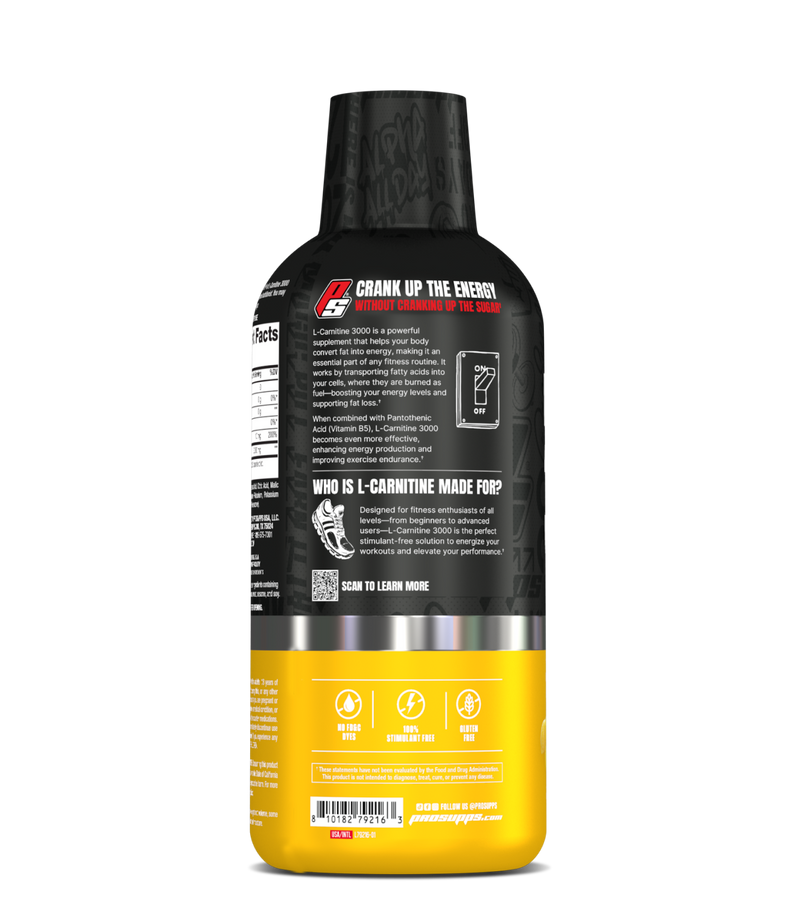
Nutrition Ingredients Carbonated Water, Citric Acid, Taurine, Sodium Citrate, Panax Ginseng Flavor, Potassium Sorbate (Preservative), Caffeine, Sucralose, Modified Corn Starch, Medium Chain Triglycerides, Sodium Benzoate (Preservative), Niacinamide (Vit
Each batch undergoes independent analytical testing to verify: Compound identity Assay accuracy Purity confirmation Microbial safety Endotoxin levels Heavy metal screening Full batch traceability Research Use Limitation Used solely for in vitro experiments Not permitted for clinical trials involving humans Not permitted for human or veterinary administration Not permitted for investigational human use Verified and analysed with Liquilabs s.r.o
A Beginner's Guide to Metabolic & Hormonal Health 7 Types of Therapeutic Peptides and What Each One Does for Your Body GLP-1 Peptides Explained: How Semaglutide and Tirzepatide Are Reshaping Metabolic Medicine Peptide Therapy and Mainstream Medicine in 2026: The Evidence How to Verify Peptide Therapy Safety: Red Flags, COA Checks, and a Provider Checklist Research Peptides vs Pharmaceutical Grade: Why the Difference Could Harm You FDA July 2026 Peptide Meeting: What Patients Need to Know 8 Reasons to Get Lab Work Before Starting Any Weight Loss Program Medical Disclaimer: This article is written for educational purposes
This partial sequence from human gastric protective protein BPC, which is naturally found in the human digestive tract and has been derived from human gastric juices was discovered in the 1990s by a group of scientists studying its impact mostly on gastrointestinal functions and wound healing
Schedule a secure online peptide therapy consultation with our medical team