Reversed-phase high-performance liquid chromatography method with coulometric electrochemical and ultraviolet detection for the quantification of vitamins B(1) (thiamine), B(6) (pyridoxamine, pyridoxal and pyridoxine) and B(12) in animal and plant foods
It is a beneficial drug to most of the common disorders like cardiovascular disorders, diabetes, anemia, hyperhomocysteinemia and degenerative disorders
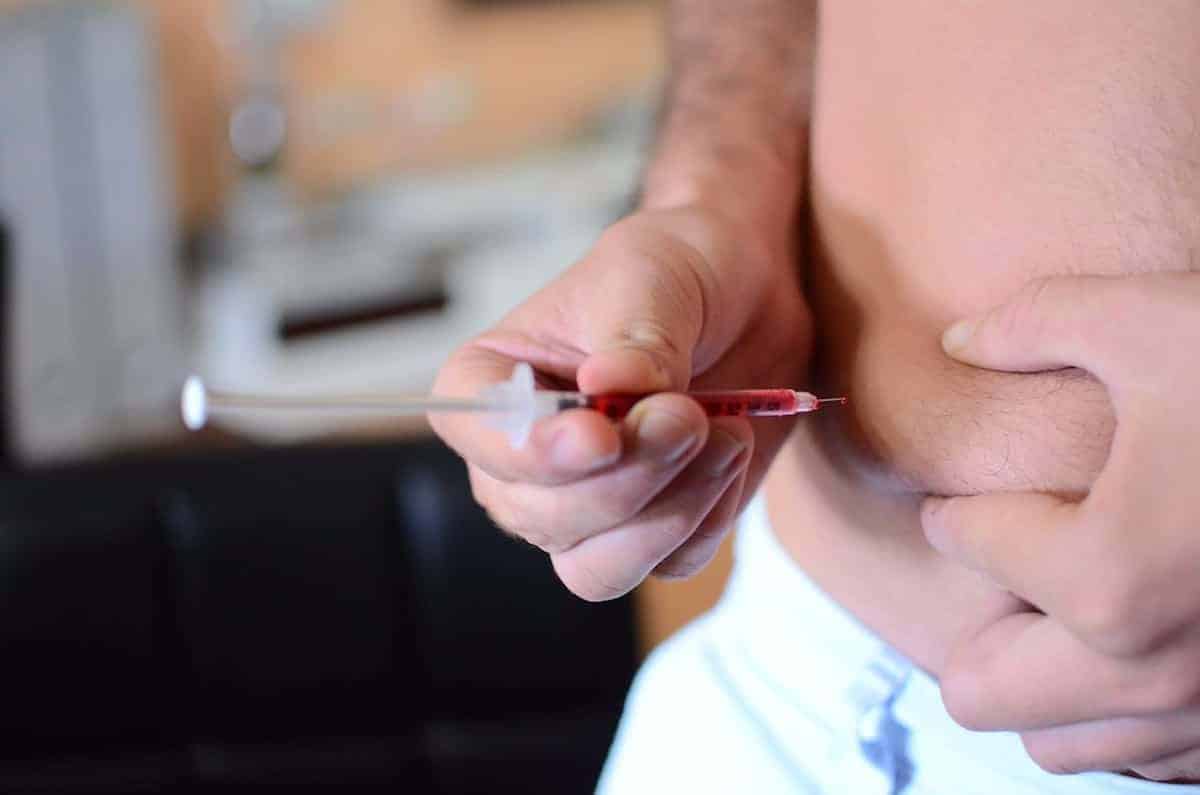
do not reuse needles Follow proper aseptic technique : clean both the vial stopper and injection site with separate alcohol swabs and allow to dry fully Rotate injection sites (abdomen, thighs, upper arms) to reduce irritation and avoid tissue buildup Administer injections slowly and steadily , allowing a few seconds before withdrawing the needle Keep a record of dosing, timing, and injection sites to maintain consistency throughout the protocol Do not use the solution if it appears cloudy, discolored, or contains visible particles Store and handle peptides according to recommended conditions to preserve stability How This Works NAD+ functions as a key coenzyme in redox reactions and ATP production , playing an essential role in: Cellular energy metabolism Mitochondrial activity DNA repair pathways Cellular resilience and recovery Declining NAD+ levels over time have been associated with reduced cellular efficiency, which is why it remains a focus in metabolic and longevity-related research

A standard and highly recommended ratio for a 5mg vial is 2mL of bacteriostatic water
Amino acids are sequentially added to resin, followed by cleavage, controlled oxidation to form the disulfide bond, and purification